Crochet Supplies for Beginners: What You Actually Need
There is something lovely about choosing your first ball of yarn and imagining what it might become. But if you have opened a crochet supplies page and wondered whether you need everything on it, take a breath. You can start small.
A little yarn, a matching hook and a few simple tools are enough to get your first stitches going. You do not need a beautiful craft room or a basket full of supplies. A comfortable spot by the window will do nicely.
Here are the five things to have nearby, along with what you can happily leave for later.
Start with yarn that makes learning easier
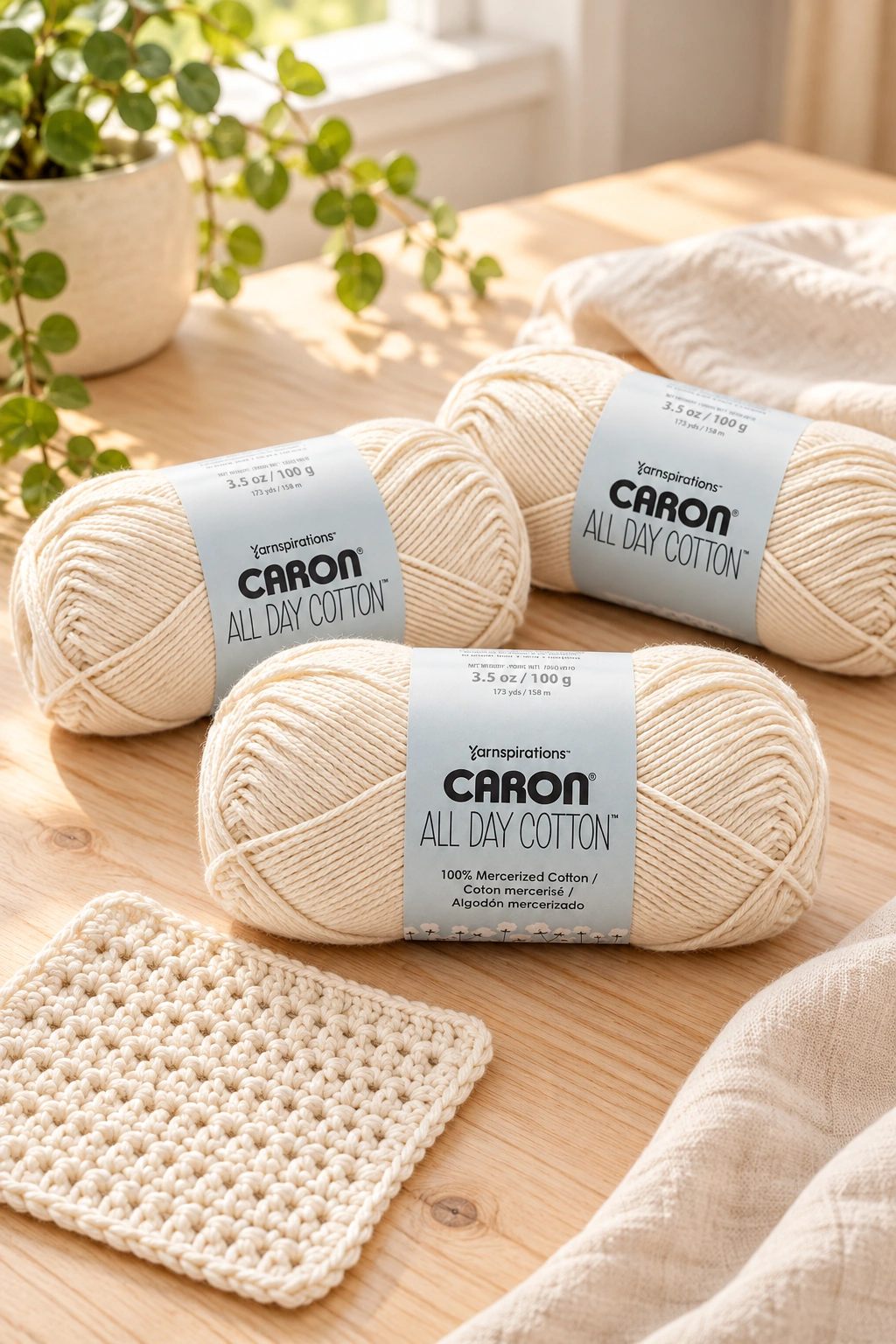
For your first project, choose yarn you can see clearly. A light, solid color helps you spot the little loops where your hook needs to go. Fluffy yarn might look irresistible, but finding a missed stitch in all that texture can be frustrating when you are just starting.
The cream Caron All Day Cotton linked below is a smooth, #4 worsted-weight yarn made from 100% mercerized cotton. Its soft neutral color is an easy starting point if you like the look of simple, handmade pieces.
One thing to know: cotton has less stretch than acrylic, so it can feel a little firm while you find your rhythm. Give the yarn some room to move through your fingers. If your hook struggles to slide into a stitch, try making the next few loops more loosely.
This listing is a three-pack, with 100 g and 173 yards per skein. You will not need all three for a practice square. Check how much your first pattern calls for before deciding whether the pack suits you.
Choose one hook to go with it
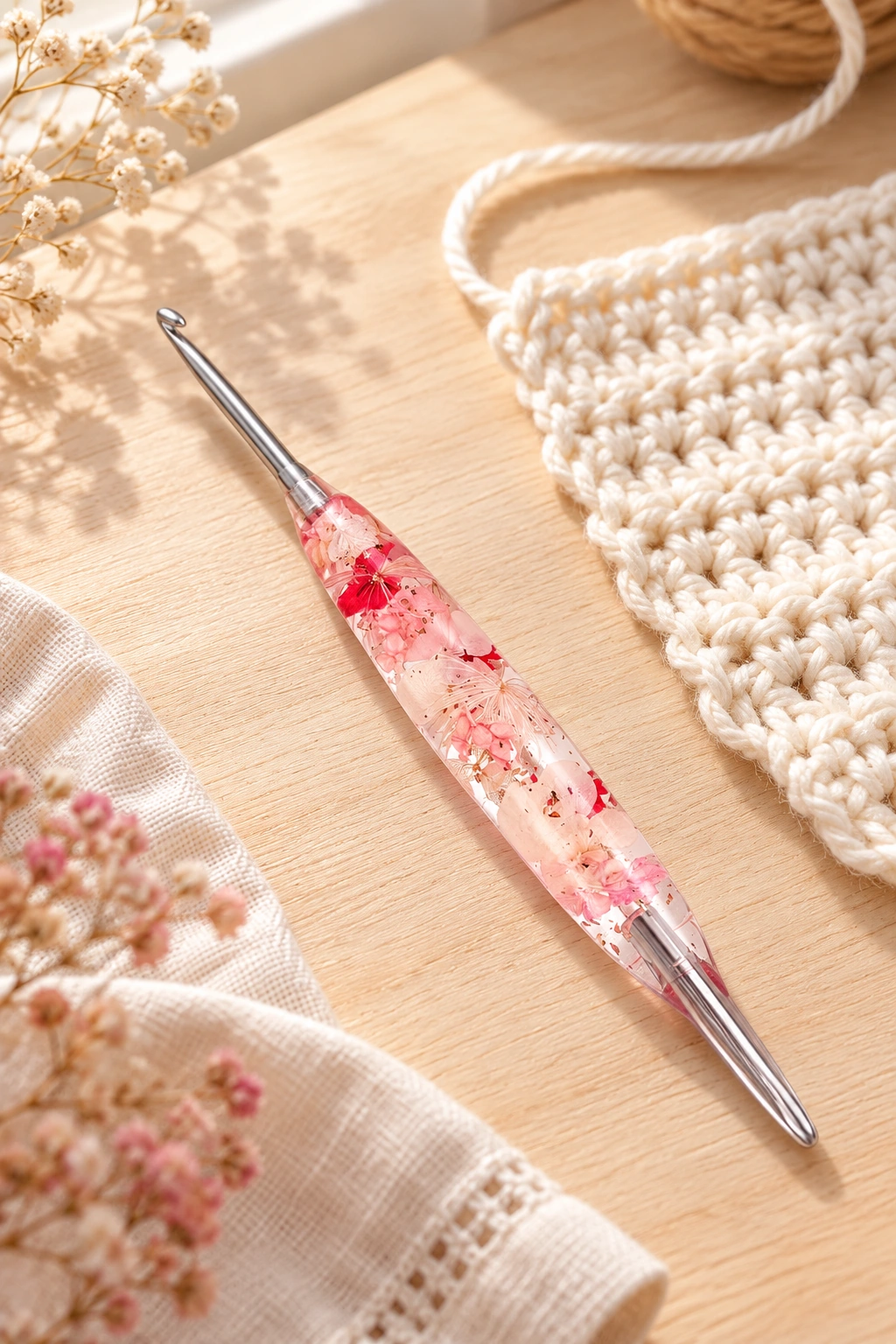
You can leave the big hook sets for another day. One hook that matches your yarn is enough to begin.
Caron lists a 5 mm hook for this cotton yarn’s crochet gauge, so that is the size paired with it here. The linked Katech hook is the 5 mm option with a shaped handle and a stainless-steel hook. Double-check the selected size when you open the listing, as other sizes may appear in the photos.
How a handle feels is personal. Some people like a thicker grip; others prefer a slim hook. You will learn your own preference as you go, so there is no need to choose your forever set on day one.
If you pick a different yarn, look at its label and your pattern rather than assuming 5 mm will always be the right size. For now, a relaxed grip and short practice sessions are a good place to start.
Let stitch markers help you find the edges
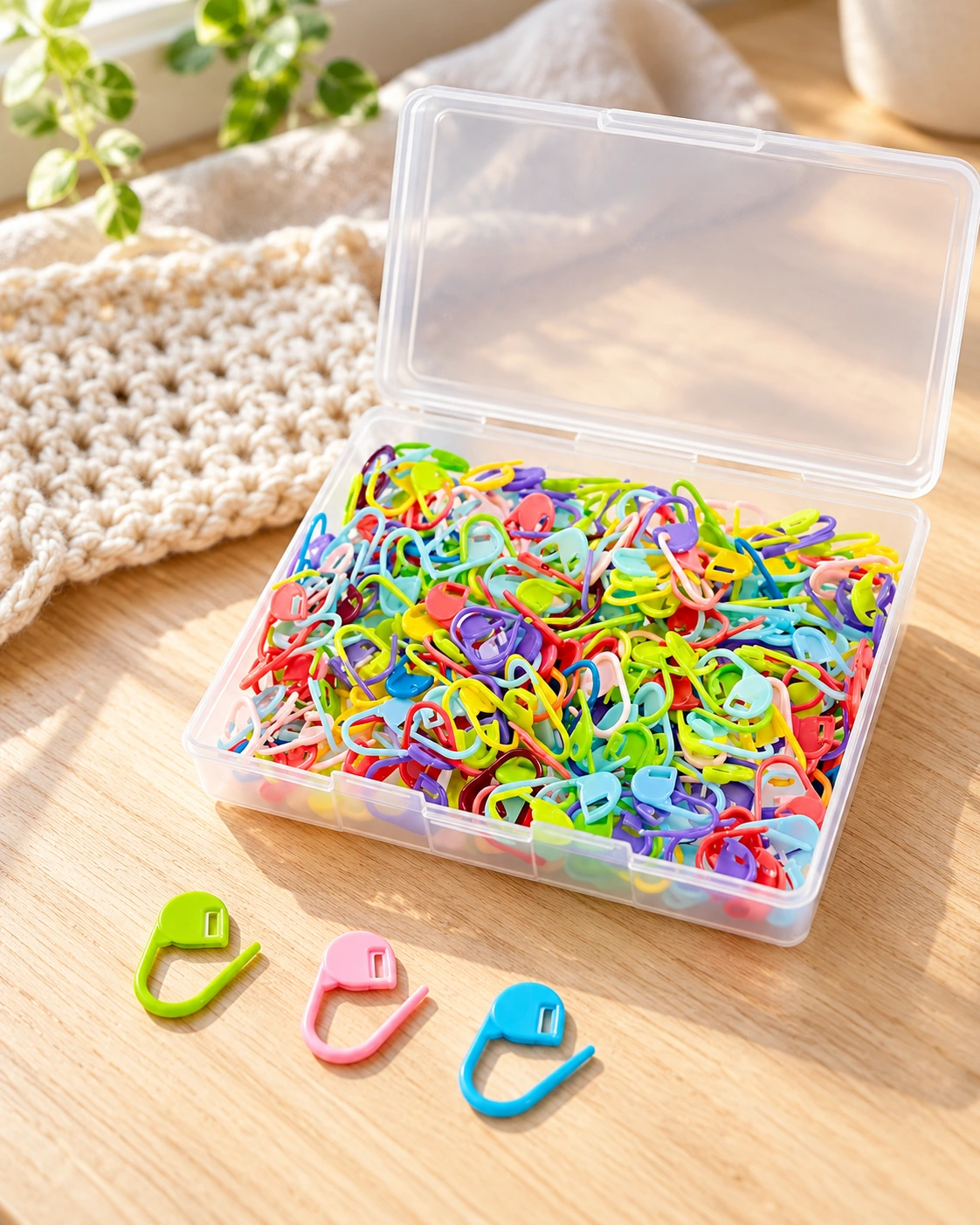
If your first rectangle starts getting narrower, you may be missing the last stitch of a row. It happens. A small marker at the beginning and end can make those easy-to-miss stitches much easier to find.
Choose markers that open and close so you can move them as you crochet. You only need a few for basic practice; a contrasting scrap of yarn can also help you mark a spot.
The FIVEIZERO bundle below includes 300 locking markers and six large-eye blunt needles. That is much more than a beginner needs, but it covers both marking and finishing tools if you want them together. A smaller pack is perfectly fine too.
Keep a blunt needle for the finishing touches
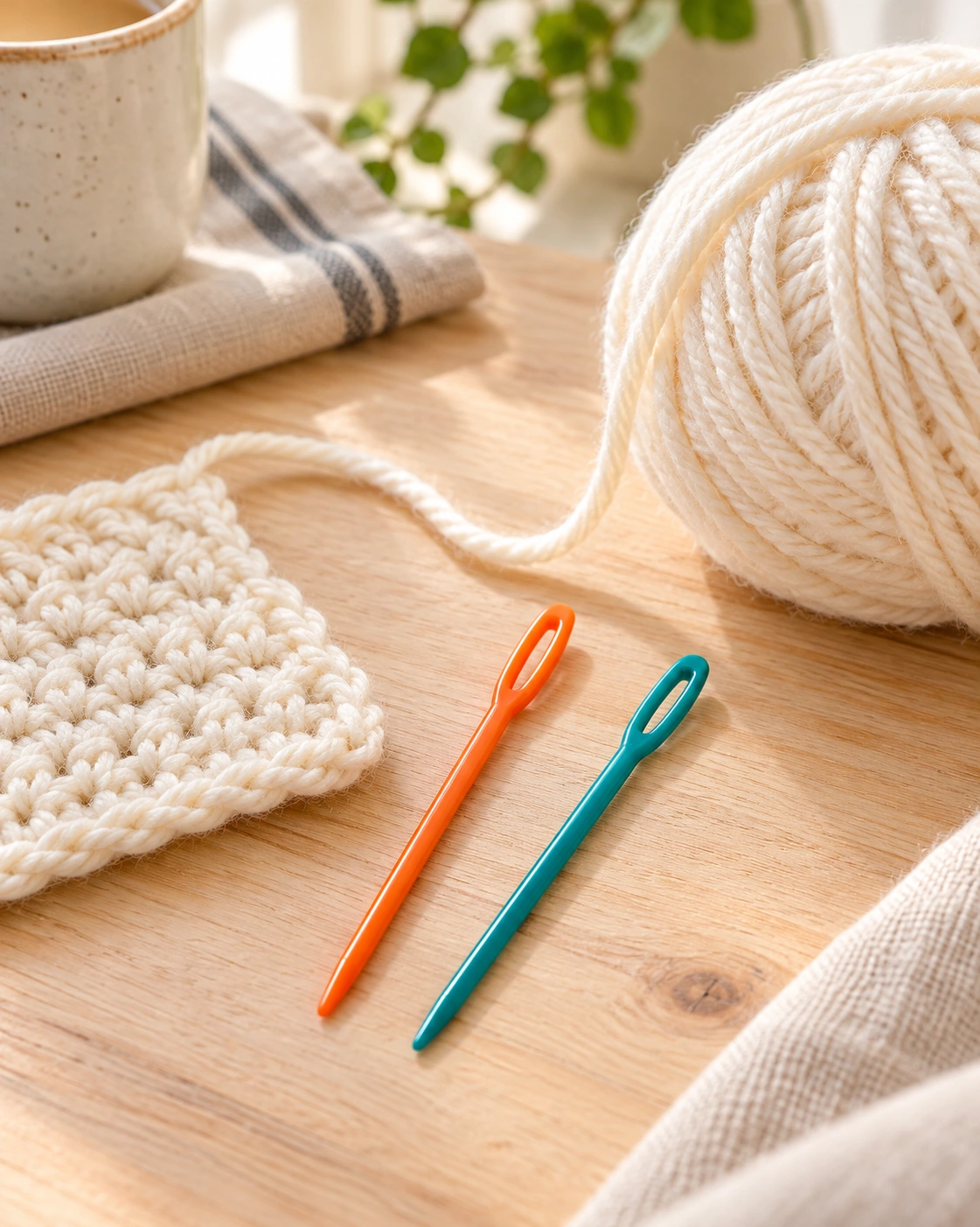
When the crocheting is done, you will have a yarn tail to tuck away. A large-eye tapestry needle helps you weave it through the fabric so your piece looks neatly finished.
Look for a blunt tip and an eye roomy enough for your yarn. You want to move through the stitches, rather than pierce them with a sharp sewing needle.
If you choose the marker bundle above, the blunt needles are already included, so you can cross this off your shopping list. Just choose an included size that takes your yarn comfortably.
Leave yourself enough tail to work with and follow your pattern’s finishing instructions. It is tempting to snip everything short as soon as the last stitch is made, but a little patience here gives you a much neater result.
Your scissors do not have to be special
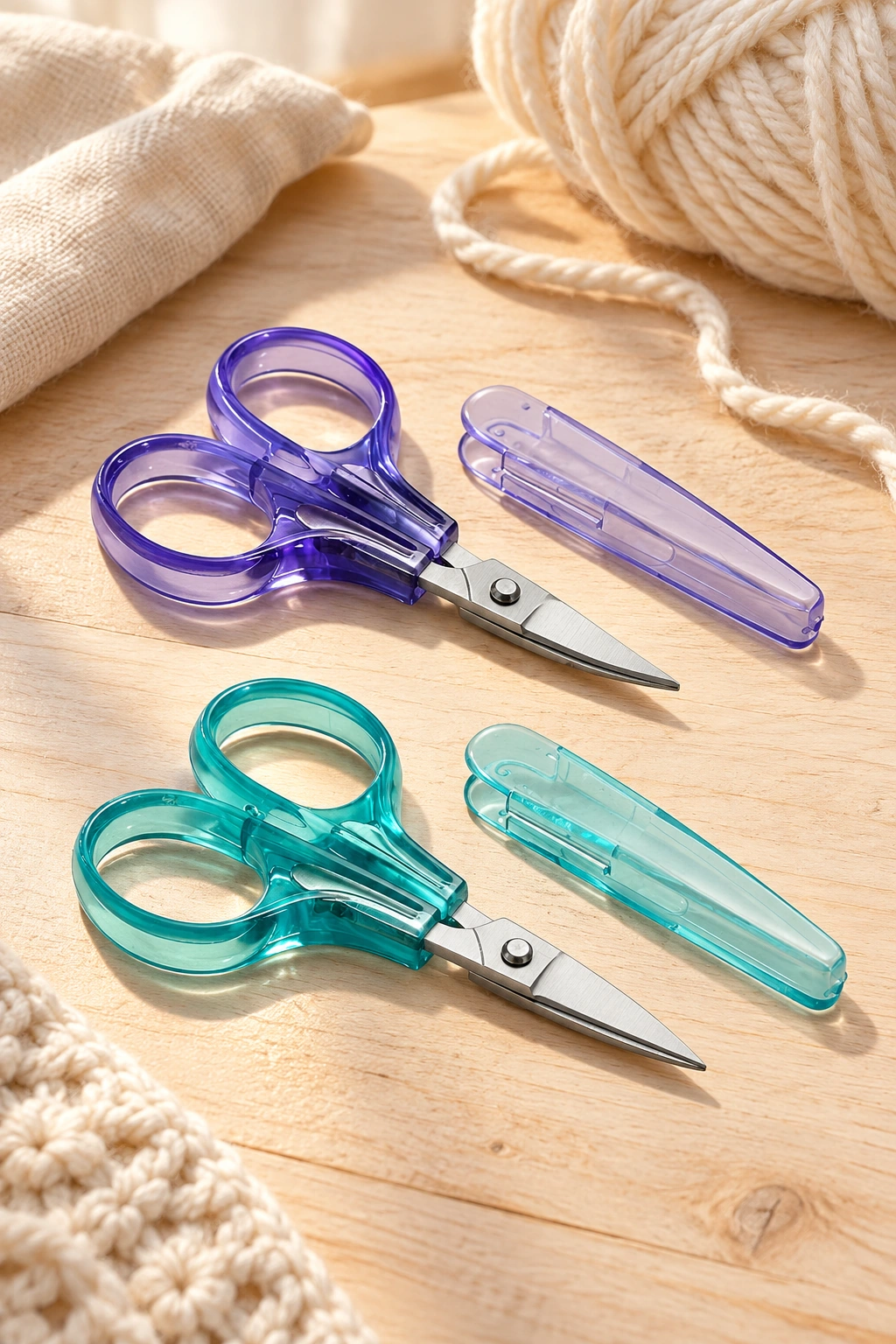
Before buying anything, try the clean scissors you already have at home. If they cut yarn neatly, they can do the job.
A small pair is handy if you want to keep everything together in a project pouch. The PAFASON set below comes with straight and curved scissors and protective cases. For ordinary yarn tails, the straight pair is enough.
Keep the tips covered when you put your work away, especially if the scissors share a bag with your yarn. There is no need for a special organizer; a pouch you already own can keep the little tools from disappearing between sessions.
A little note: shopping through these links may earn LORIMI a small commission, at no extra cost to you. As an Amazon Associate I earn from qualifying purchases.
Make something small, just for practice
Start with a little rectangle and let it be imperfect. You are learning to hold the yarn, find the next stitch and turn at the end of a row. That is plenty for a first session.
Choose one beginner lesson and stick with its stitch terms while you practice. US and UK crochet terms differ, so checking this early saves a lot of confusion. Count your stitches at the end of each row and notice what changes when you loosen your grip.
You do not have to turn that first square into anything. It can simply be the piece that helped you begin.
When you feel ready for a project, our crochet pumpkin ideas offer a little home inspiration. Or, if you are dreaming of something to wear, browse these crochet cardigan outfits for fall. Choose a pattern before buying its materials, then take it one row at a time.